

Voters like Us
Identity, belonging, and the normalisation of Reform

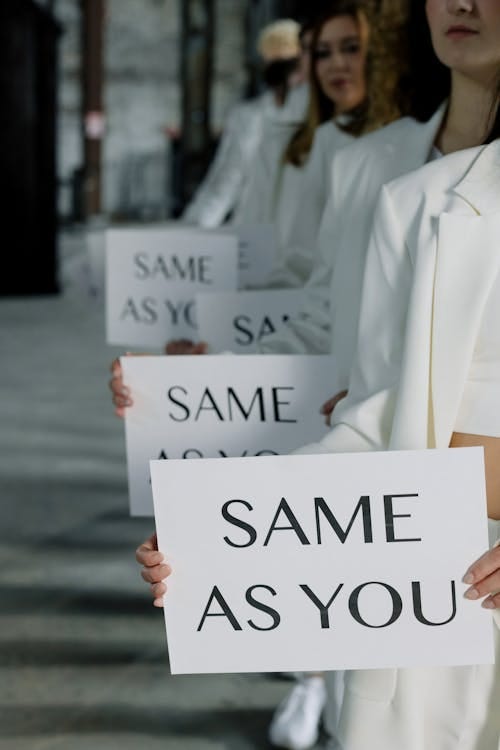
In DR Thorpe’s masterful biography of Harold Macmillan, there is a curious and incisive commentary on the 1959 election. The Tory triumph, it argues, was born both of their record in government and how people identified with their vote. To vote Conservative by 1959 was to tell yourself, and those around you, that you were going up in the world. It was a mark of affluence as much as “home ownership, a car, or a first foreign holiday”. To back the government was not merely an acknowledgement that you were benefiting from it, but a form of social signalling.
While the signals have themselves changed, the underlying ideal remains as strong today. Indeed, it can often be the best explainer of voting patterns. Who you support, and indeed what you believe, is perhaps secondary to who you see yourself to be and the social group you identify with.
This idea underpins the post-Brexit notion of the Red Wall. These were voters who, until 2016, were demographically similar to those who voted Conservative elsewhere. They had broadly comparable financial interests and overlapping views, but a cultural aversion to voting for the Conservatives. It was not a thing that “people like them” did. When Brexit dissolved those bonds, creating new social identities, these people found it easier to migrate their voting patterns. Arguably, the reverse has now happened among the younger, more prosperous voters of the South East who have drifted away from the party.
Academic research supports this type of theory. Studies from various countries have shown that it matters to who “people like them” vote for. A sense of group identity shapes their voting behaviour, both positively and negatively. The opposite is true as well: if they think a party stands for something associated with a group they don’t belong to or have a negative perception of, they tend not to support it. This might jar with our hope that voters are rationally focused, but really, it makes sense. We choose everything from our supermarkets to our favourite bands on this sort of metric – so why not who we vote for?
